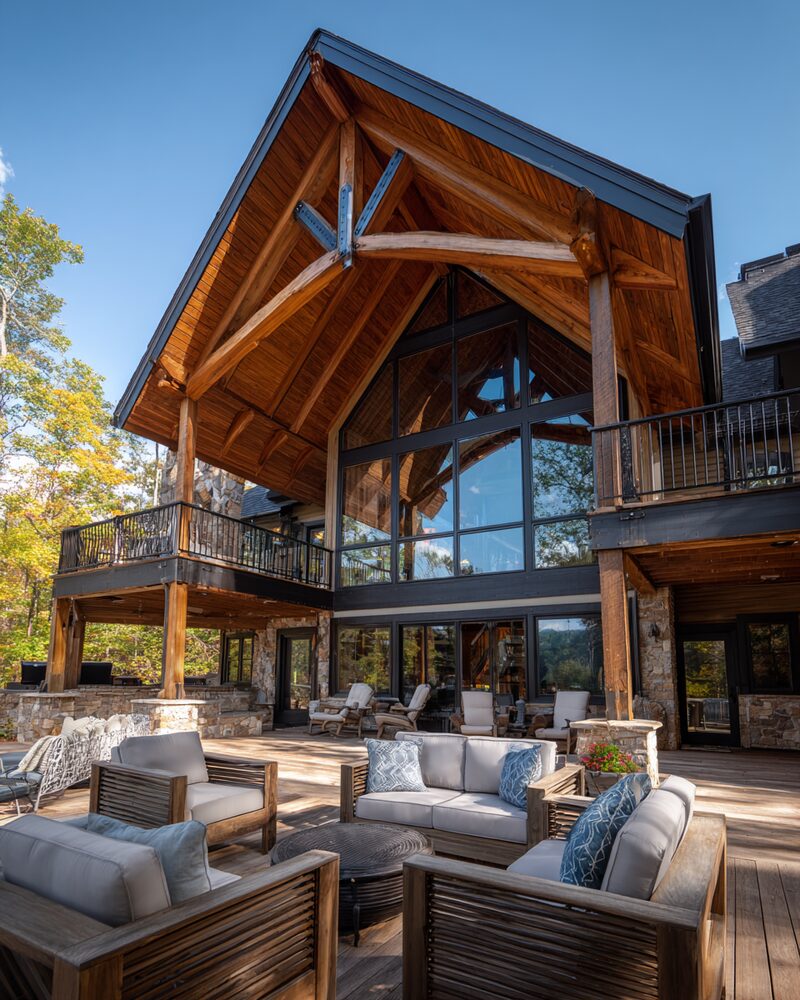
Banks County has a mix of rolling acreage, historic homes, and small town neighborhoods that make valuing property both rewarding and nuanced. Whether you are a buyer searching for the right country home or a seller preparing to list, understanding the specific factors that influence rural property value in Banks County GA will help you make informed decisions that stand up over time.
Start with location specifics that matter locally. Proximity to Homer, Maysville, and Gillsville, access to major roads, and drive times to employment centers like Athens or metro Atlanta affect demand. More importantly in rural markets, micro-location factors such as the position of buildings on a parcel, road frontage, and usable acreage can change value dramatically. When comparing comps, look for similar lot sizes, topography, and utility access rather than relying only on square footage.
Soil, septic, and water infrastructure are critical and often overlooked. For buyers, ask for recent septic inspections, soil evaluations, and well flow test results before making an offer. These items can be costly to address after closing and can reduce usable acreage. For sellers, obtaining current septic and well documentation and addressing obvious utility issues before listing can speed up sales and strengthen buyer confidence.
Acreage is not just acreage. Usable versus unusable land, wooded buffer zones, wetlands, and steep slopes all influence how much value a buyer places on a property. Clear descriptions and maps that show buildable areas, fenced pasture, and access points help buyers visualize potential and attract the right audience. Sellers should highlight functional features like established paddocks, outbuildings, or improved pastures in listings and marketing materials.
Market timing and seasonal trends still matter in Banks County. Rural buyers often look for spring and summer viewing opportunities to assess land and vegetation, while some buyers prefer late fall and winter when topography and drainage are easier to evaluate. Sellers who list during months when properties show best and who schedule professional photography and aerial imagery get more initial interest and better offers.
Comparable sales in rural areas can be sparse, so broaden your valuation approach. Use comps for similar acreage and home condition in nearby towns, but also factor in replacement cost, rental yields for similar properties, and the premium buyers will pay for features like a detached workshop, horse facilities, or a finished basement. An experienced local appraiser or agent who understands Banks County nuances will help reconcile these elements.
Presentation and marketing matter more than you might expect. High quality photos, floor plans, and aerial shots of land give buyers a clear picture of value. For online listings, optimized descriptions that include phrases like Banks County homes for sale, acreage for sale in Banks County GA, and country homes near Homer will help your property surface in search results. Sellers who invest in modest, targeted improvements—like updated kitchens, fresh paint, and landscaping that shows off usable spaces—generally see stronger buyer response.
Financing options influence buyer pools. Many rural buyers use USDA loans, conventional financing, VA loans, or cash purchases. Sellers should be prepared for a variety of financing timelines and document requests. Buyers should get prequalified with lenders familiar with rural transactions to avoid surprises and to make stronger offers when competition appears.
Title, access, and legal considerations can make or break a sale. Confirm public road access, right of way, and whether the property lies in a floodplain or has conservation easements. Buyers should request recent surveys and title work early, and sellers should consider resolving boundary disputes or access issues before listing. Clear, marketable title and unambiguous access routes increase buyer confidence and speed closings.
Long term value is tied to local amenities and schools but also to realistic expectations about resale. Buyers who plan for long-term maintenance of rural systems—roads, fences, septic—and who maintain vegetation and structures preserve value. Sellers who document routine maintenance, show utility upgrades, and provide records of improvements create trust and justify asking price.
Practical checklists help both sides. Buyers should prioritize septic and well inspections, recent surveys, utility and broadband availability, and usable acreage assessments. Sellers should
